
The Heidi Chronicles Play PDF: A Comprehensive Guide (Updated 01/26/2026)
Navigating digital resources for “The Heidi Chronicles” requires caution․ Numerous PDFs exist, ranging from script excerpts to critical analyses, alongside unrelated documents like theatrical works (“Butterflies are Free”) and academic papers on linguistics and literary studies․
Legality and Ethical Considerations of PDF Downloads
Accessing “The Heidi Chronicles” play PDF necessitates a careful consideration of legal and ethical boundaries․ Downloading copyrighted material without proper authorization constitutes infringement, potentially leading to legal repercussions․ While numerous online sources offer PDFs of scripts and related analyses – including those referencing “Two Rooms Script” and studies on Crimean Tatar Theater – their legitimacy is often questionable․
Many freely available PDFs may be unauthorized copies, violating the playwright’s and publisher’s rights․ Supporting the arts financially through legitimate channels, such as purchasing official scripts from Samuel French (as seen with “Butterflies are Free”) or accessing plays through licensed digital libraries, is ethically responsible․
Furthermore, be wary of PDFs bundled with irrelevant or inappropriate content, as highlighted by mentions of disturbing keywords in some search results․ Prioritize sources from reputable academic institutions or established theatrical organizations․ The presence of unrelated academic papers on topics like Manchu studies or Azerbaijani philology alongside play scripts underscores the need for discernment․ Always verify the source and consider the potential risks before downloading any PDF related to “The Heidi Chronicles” or any other copyrighted work․ Respecting intellectual property rights ensures the continued creation and accessibility of theatrical works․
5․1 Heidi Holland: The Protagonist’s Journey
Heidi Holland’s character arc, central to “The Heidi Chronicles,” is often explored within the context of PDF study guides and analyses of the play․ These downloadable resources frequently dissect her evolution from a spirited art historian navigating the 1960s to a woman grappling with career aspirations and romantic relationships in the 1980s․
PDFs dedicated to character analysis highlight Heidi’s search for identity and fulfillment, a theme resonating with feminist discourse prevalent during the play’s historical setting․ Her interactions with key figures – notably Peter Patrone and Scoop Rosenbaum – are frequently examined in downloadable script excerpts and critical essays․ These materials often focus on how Heidi’s choices reflect the changing roles of women and the challenges of balancing personal and professional life;
The availability of “The Heidi Chronicles” script in PDF format allows for close textual study of Heidi’s dialogue and stage directions, revealing nuances in her personality and motivations․ However, it’s crucial to source these PDFs responsibly, avoiding unauthorized downloads․ Understanding Heidi’s journey requires considering the broader socio-cultural context, often detailed in accompanying PDF resources that explore the play’s themes and historical backdrop․ Her story remains a compelling subject for academic and theatrical exploration․
5․2 Peter Patrone: A Recurring Romantic Interest
Peter Patrone’s role as a recurring romantic interest for Heidi Holland is frequently analyzed within PDF versions of “The Heidi Chronicles” script and accompanying critical studies․ These downloadable resources often focus on the complexities of their relationship, highlighting Peter’s initial charm and subsequent emotional unavailability․
PDF analyses often dissect Peter’s character as representative of a certain type of man – successful, yet emotionally stunted – common in the era depicted by the play․ Script excerpts available in PDF format allow for detailed examination of his dialogue, revealing his ambivalence towards commitment and his prioritization of career over personal connection․ The PDFs often explore how his actions contribute to Heidi’s ongoing search for fulfillment․

Researchers utilizing PDF versions of the play frequently examine the cyclical nature of Heidi and Peter’s encounters, emphasizing how their paths repeatedly cross throughout the decades․ This recurring pattern underscores the play’s themes of missed opportunities and the challenges of maintaining relationships amidst societal changes․ Caution is advised when sourcing these PDFs, ensuring legality and ethical considerations are met․ Understanding Peter’s character is vital to grasping the nuances of Heidi’s journey, as detailed in numerous downloadable resources․
5․3 Scoop Rosenbaum: The Intellectual Companion
Scoop Rosenbaum, the perpetually enthusiastic art historian, is a central figure frequently explored within PDF versions of “The Heidi Chronicles” script and related academic analyses․ These downloadable resources often highlight Scoop’s role as Heidi’s intellectual sparring partner and a source of consistent, if unconventional, support․
PDF analyses dissect Scoop’s character as embodying a passionate dedication to art and culture, contrasting with the more pragmatic pursuits of characters like Peter Patrone․ Script excerpts available in PDF format showcase his lively dialogue and insightful commentary on the art world, revealing his genuine affection for Heidi despite their differing life paths․ The PDFs often explore how his unwavering enthusiasm provides a counterpoint to Heidi’s anxieties․

Researchers utilizing PDF versions of the play frequently examine Scoop’s consistent presence in Heidi’s life, emphasizing his role as a steadfast friend who offers a unique perspective on her evolving identity․ This consistent companionship underscores the play’s themes of connection and the importance of intellectual stimulation․ Caution is advised when sourcing these PDFs, ensuring legality and ethical considerations are met․ Understanding Scoop’s character is crucial to appreciating the play’s broader commentary on art, success, and personal fulfillment, as detailed in numerous downloadable resources․
Historical Context of the Play (1980s America)
PDF versions of “The Heidi Chronicles” often include supplementary materials detailing the socio-political landscape of 1980s America, a crucial element for understanding the play’s themes․ These downloadable resources contextualize Heidi Holland’s journey within a period of significant cultural shifts, particularly regarding feminism and evolving gender roles․
The 1980s, as explored in PDF analyses, witnessed a complex interplay between feminist advancements and persistent societal expectations for women․ PDFs frequently highlight how the play reflects the challenges faced by women navigating career aspirations, romantic relationships, and societal pressures․ The era’s emphasis on material success and individual achievement, also detailed in these resources, provides a backdrop for Heidi’s search for fulfillment․

Furthermore, PDFs often connect the play’s artistic themes to the broader cultural climate of the decade, examining the role of art and intellectual pursuits in a society increasingly focused on economic prosperity․ Caution is advised when accessing these PDFs, verifying their source and legality․ Understanding the historical context is vital for interpreting the play’s nuanced commentary on ambition, identity, and the search for meaning in a rapidly changing world, as evidenced by the detailed analyses available in downloadable formats․
7․1 Feminism and the Changing Roles of Women
PDF analyses of “The Heidi Chronicles” consistently emphasize the play’s central engagement with feminism and the evolving roles of women in 1980s America․ Downloadable script versions and critical essays often highlight how Heidi Holland embodies the contradictions and complexities faced by women of that generation, navigating career ambitions alongside societal expectations for marriage and motherhood․
These PDF resources detail how the play portrays the second-wave feminist movement’s impact, showcasing both its liberating potential and its limitations․ The PDFs frequently discuss the challenges women encountered in traditionally male-dominated fields, mirroring Heidi’s experiences in the art world․ They also explore the pressure to “have it all,” a common theme in the play and a defining concern for many women during that era․
Furthermore, PDFs often analyze the play’s depiction of male characters and their evolving perspectives on feminism․ The play’s exploration of romantic relationships, as detailed in downloadable character analyses, reveals the difficulties of navigating intimacy and equality in a society still grappling with changing gender dynamics․ Caution is advised when sourcing these PDFs, ensuring they are from reputable academic or theatrical sources․ The play’s enduring relevance stems from its honest portrayal of these ongoing struggles․
7․2 Art, Success, and Personal Fulfillment
PDF versions of “The Heidi Chronicles” and accompanying critical studies frequently dissect the play’s exploration of art, success, and the elusive pursuit of personal fulfillment․ Downloadable scripts allow for close examination of Heidi Holland’s artistic journey, revealing her struggles to reconcile her ambitions as a sculptor with the societal pressures she faces․
These PDFs highlight how the play questions conventional definitions of success, particularly for women․ Heidi’s career trajectory, often analyzed in downloadable character studies, demonstrates the compromises and sacrifices required to achieve professional recognition․ The resources also explore the play’s commentary on the art world itself, portraying it as a space often dominated by male perspectives and subject to shifting trends․
Furthermore, PDFs often delve into the play’s depiction of personal relationships as a source of both joy and frustration․ The romantic entanglements detailed in script excerpts reveal Heidi’s search for a meaningful connection that doesn’t compromise her artistic integrity or independence․ Caution is advised when accessing these PDFs, verifying their source and academic rigor․ The play’s enduring appeal lies in its nuanced portrayal of the complexities inherent in balancing professional aspirations with personal desires․
Critical Reception and Awards
PDF documents detailing the critical reception of “The Heidi Chronicles” showcase its significant impact on American theatre․ Many downloadable reviews and analyses highlight the play’s groundbreaking portrayal of women’s experiences in the 1980s, earning Wendy Wasserstein widespread acclaim․ These PDFs often include excerpts from prominent publications, documenting the initial positive response to the play’s premiere and subsequent productions;
Furthermore, readily available PDFs outline the numerous awards “The Heidi Chronicles” received, including the Pulitzer Prize for Drama in 1989 and the Tony Award for Best Play․ These documents detail the significance of these accolades, solidifying the play’s status as a landmark achievement in American dramatic literature․ Academic papers, often found in PDF format, explore the play’s lasting influence on feminist theatre and its continued relevance in contemporary discussions about gender and identity․
However, caution is advised when sourcing these PDFs, ensuring they originate from reputable academic databases or theatrical archives․ Some downloadable materials may contain biased interpretations or incomplete information․ The play’s critical success is consistently emphasized in these resources, demonstrating its enduring power to resonate with audiences and inspire critical debate․

Analyzing Dramatic Structure and Style
PDF resources dedicated to “The Heidi Chronicles” frequently dissect its unique dramatic structure and stylistic choices․ Many downloadable analyses focus on Wasserstein’s innovative use of episodic scenes and direct address, breaking conventional theatrical norms․ These PDFs often highlight how the play’s fragmented narrative mirrors Heidi Holland’s own search for identity and meaning across decades․
Furthermore, downloadable script excerpts and critical essays explore Wasserstein’s distinctive writing style – characterized by witty dialogue, insightful social commentary, and a blend of humor and pathos․ PDFs often detail the play’s employment of metatheatrical techniques, where characters acknowledge their status as performers, prompting reflection on the nature of representation and reality․ The play’s use of art history and pop culture references is also a common focus in these analyses․

Academic papers, available in PDF format, delve into the play’s structural parallels with other modernist and postmodernist works․ Caution is advised when evaluating these resources, ensuring they offer balanced perspectives and avoid overly subjective interpretations․ The play’s stylistic innovations are consistently recognized as key elements contributing to its enduring artistic merit and critical acclaim․
Stage History and Notable Productions
PDF documents detailing the stage history of “The Heidi Chronicles” often chronicle its significant impact on American theatre․ Many downloadable resources highlight the play’s 1988 Broadway premiere, starring Joan Allen, which garnered critical acclaim and multiple Tony Awards, including Best Play and Best Actress․ These PDFs frequently include production photographs and reviews from that landmark production․
Further exploration through available PDFs reveals a rich history of revivals and regional productions․ Analyses often compare and contrast different interpretations of Heidi Holland, examining how each actress brings a unique perspective to the role․ Documents may also detail notable directorial choices and set designs across various productions․
While comprehensive databases of every production are scarce in readily available PDF format, some resources compile lists of significant regional premieres and university productions․ Caution is advised when relying on these lists, as accuracy can vary․ PDFs focusing on theatre history often contextualize “The Heidi Chronicles” within the broader landscape of late 20th-century American drama, acknowledging its lasting influence on subsequent playwrights and performers․ The play’s continued relevance ensures ongoing stage interpretations․

Exploring Related Works: Butterflies are Free & Other Plays
PDF searches related to “The Heidi Chronicles” frequently yield results for Leonard Gershe’s “Butterflies are Free,” likely due to its presence as a published script alongside Wendy Wasserstein’s work by Samuel French․ These PDFs typically contain the full script of “Butterflies are Free,” a comedic play exploring themes of freedom and unconventional relationships, offering a contrasting style to Wasserstein’s more nuanced approach․
However, the connection beyond publisher availability is limited․ PDFs detailing Wasserstein’s broader body of work – including “Isn’t It Romantic?” and “The Sisters Rosensweig” – are less common but provide valuable context․ These resources often analyze recurring themes in her plays, such as female identity, societal expectations, and the pursuit of personal fulfillment․

Interestingly, PDF searches sometimes return unrelated theatrical scripts and academic papers․ Documents on Crimean Tatar Theater, Russian literary analysis, and even linguistic studies appear, highlighting the broad scope of online searches․ These instances underscore the need for precise search terms when seeking information specifically about Wasserstein’s plays or related dramatic works․ Careful filtering is essential to navigate the diverse range of PDFs available online․
Resources for Further Study and PDF Availability (Caution Advised)

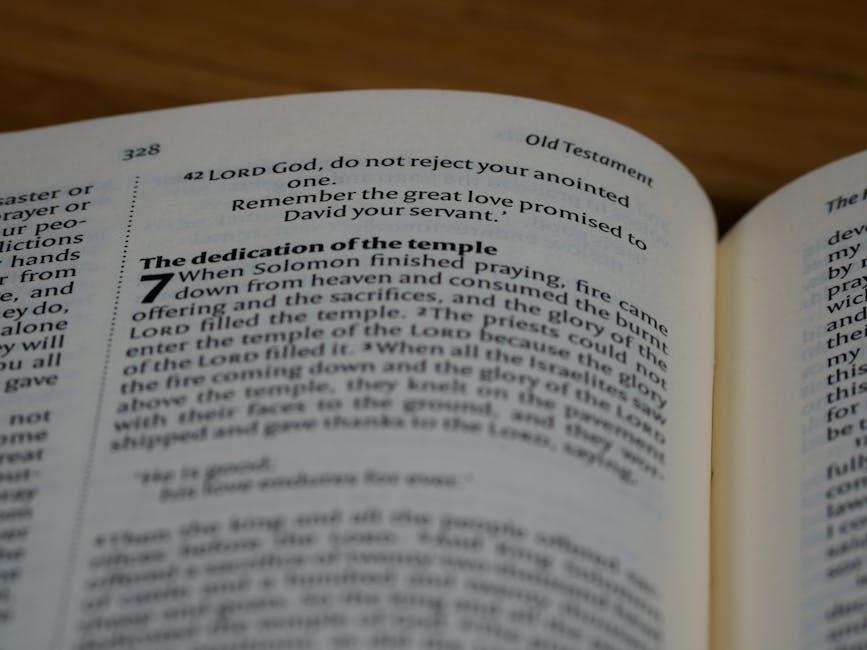
Locating a complete, legally obtained PDF of “The Heidi Chronicles” script proves challenging․ While numerous websites offer PDFs, many are unauthorized copies, raising ethical and legal concerns․ These sources often bundle the play with unrelated materials – scripts like “Two Rooms,” academic papers on Manchu studies, or even documents containing inappropriate content – requiring diligent filtering․
Legitimate resources for study include academic databases (JSTOR, Project MUSE) which may contain critical essays and analyses of the play, sometimes accessible as PDFs through institutional subscriptions․ Samuel French, the play’s publisher, offers script licensing and purchase options, though not necessarily a free PDF download․
Caution is paramount․ PDFs found through general web searches frequently lack proper provenance and may contain malware or copyright violations․ Prioritize official sources and be wary of sites promising free downloads․ Exploring university library websites and online theatrical archives can yield reliable research materials․ Remember to respect copyright laws and support playwrights by obtaining scripts through authorized channels․ The availability of reliable PDFs is limited, emphasizing the importance of responsible research practices․